

…for a short note about Galen. I want to share with you our 2023 Impact Report, “Expanding Health Freedom.” We sent it via snail mail to many of our supporters and others, but we communicate primarily through email with many more of you so here it is, with highlights of our activities last year. From the beginning, our mission has been “to create and advance proposals that support … [Read more...] about We Interrupt This Program….
The Punishment Will Continue…

…until morale improves. The “Affordable” (Affordable! Affordable! Affordable! 00:35:12) Care Act is causing yet another distortion in our health sector that’s making care even more unaffordable for patients. We wrote earlier about the massive consolidation in the health sector that was accelerated by the ACA. Now we have another example of how these … [Read more...] about The Punishment Will Continue…
We the People vs the Elites

Of all the craziness that came out of the Davos meeting earlier this year, one quote particularly struck me. One speaker said (paraphrasing because it has vanished from search engines), “We elites are more united than ever, making it all the more baffling why the masses are not following along with our solutions to tackle these big global challenges.” Disgusting, I know. Maybe it’s because … [Read more...] about We the People vs the Elites
Health Care’s Invisible Crisis

The U.S. health system has been facing an extraordinary crisis for more than three weeks and, astonishingly, the story is only now making big news. The nation's largest processor of medical claims is embroiled in a ransomware cyberattack that has crippled payment systems across the country, with potential breaches of health records for millions of patients. The cyberattack target is … [Read more...] about Health Care’s Invisible Crisis
Does the Mafia “Negotiate?”

President Biden’s address last night highlighted a long list of “health care” proposals he’s planning in a second term that will exacerbate the very problems he purports to solve. For example, he wants to increase to 50 a year—from the current cap of 20—the number of prescription drugs the federal government can target with its take-it-or-suffer-the-consequences price … [Read more...] about Does the Mafia “Negotiate?”
Building on What Works

Imagine that people have a choice of health plans that offer more benefits for the same premium, but the government decides it wants to undermine the plans because it hates that they are run by private companies. That is happening big time right now with the popular Medicare Advantage (MA) plans. Example: John Goodman explains in his latest column for Forbes: When does the failure to … [Read more...] about Building on What Works
Worth Your Time
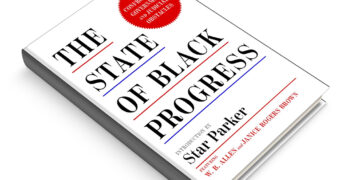
Star Parker, one of the nation’s leading Black conservative voices, has shepherded a collection of essays about “The State of Black Progress” in America, and you are invited to attend the release event, virtually or in person, at the American Enterprise Institute (Monday, Feb. 26, at 1 p.m. EST). Star’s visionary leadership is anchored in her own childhood experience in the grip of welfare … [Read more...] about Worth Your Time
Is There a Doctor in the House?

Physicians are departing at an alarming rate—both those who work in independent practices and those in Congress who have fought to protect the doctor-patient relationship. Physician practices: At least 110,000 physicians have left private practice since the Covid pandemic began, with most becoming employees of hospitals, health systems, and private equity firms that are aggressively … [Read more...] about Is There a Doctor in the House?